

















Transdermal Medication Therapy Treatment
Transdermal Medication Therapy(TMT) refers to the delivery of herbal medications through the skin to achievesystemic effects. This method involves applying herbs to the skin in the formof oils, creams, gels, or ointments, which are then absorbed into thebloodstream. Transdermal medications offer an alternative to oral routes ofadministration.
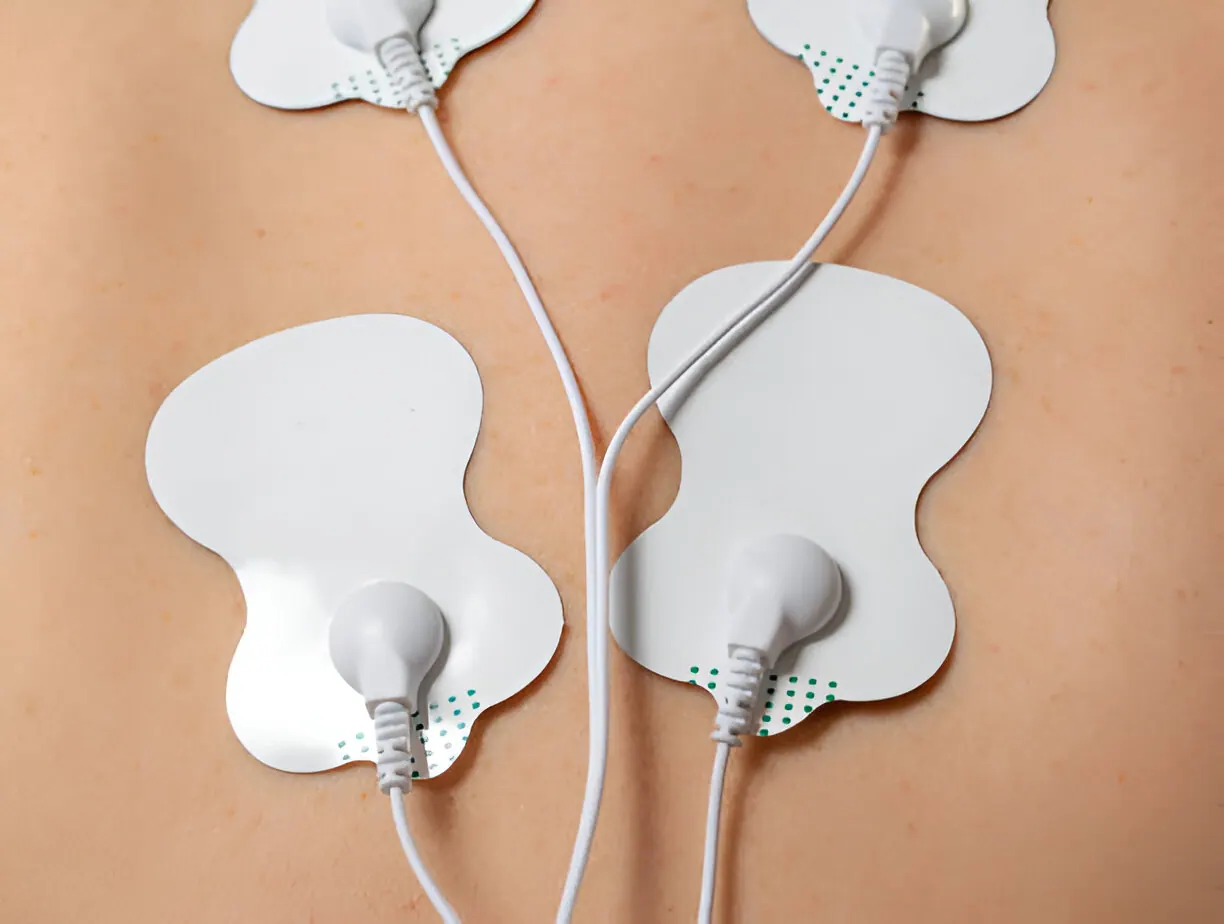

Transdermal Medication Therapy (TMT)
Refers to the delivery of herbal medications through the skin to achieve systemic effects. This method involves applying herbs to the skin in the form of oils, creams, gels, or ointments, which are then absorbed into the bloodstream. Transdermal medications offer an alternative to oral routes of administration.
How Transdermal Medication Works:
The skin acts as a barrier, but certain herbal medications can be formulated through special methods to penetrate the skin's outer layers (epidermis) and reach the bloodstream. This process is called transdermal absorption. The herbal medication can enter the blood vessels under the skin (in the dermis), and from there, it circulates throughout the body.Most transdermal herbal medications are delivered via specially prepared herbal medications.
Advantages of Transdermal Medication Therapy:
- Alternative Medication Delivery: Transdermal systems provide consistent release of medication over time, helping to maintain stable drug levels in the bloodstream.
- Avoids the Digestive System: Since the herbal medication doesn't pass through the digestive system or liver (as it does with oral drugs), this can help prevent gastrointestinal side effects and avoid "first-pass metabolism" (the breakdown of the drug in the liver before it reaches systemic circulation).
- Reduced Side Effects:Because the herbal medications is applied through the skin and directly into the bloodstream, it may reduce the intensity of side effects compared to oral drugs that may cause peaks and troughs in drug levels.
Common Conditions Treated by Transdermal Medication Therapy:
- Digestive Disorders – IBS, constipation, acid reflux, bloating.
- Skin Conditions – Acne, eczema, psoriasis, rashes.
- Respiratory Issues – Asthma, bronchitis, sinusitis, allergies.
- Chronic Pain – Arthritis, back pain, muscle stiffness.
- Hormonal Imbalances – PCOS, menstrual issues, thyroid problems.
- Mental Health – Anxiety, depression, insomnia, stress.
- Autoimmune Diseases – Rheumatoid arthritis, lupus, multiple sclerosis.
- Cardiovascular Health – High blood pressure, cholesterol, heart disease.
- Weight and Metabolic Disorders – Obesity, diabetes, slow metabolism.
- Neurological Issues – Migraines, Parkinson's, Alzheimer's.
- Chronic Fatigue – Low energy, immune system support.